

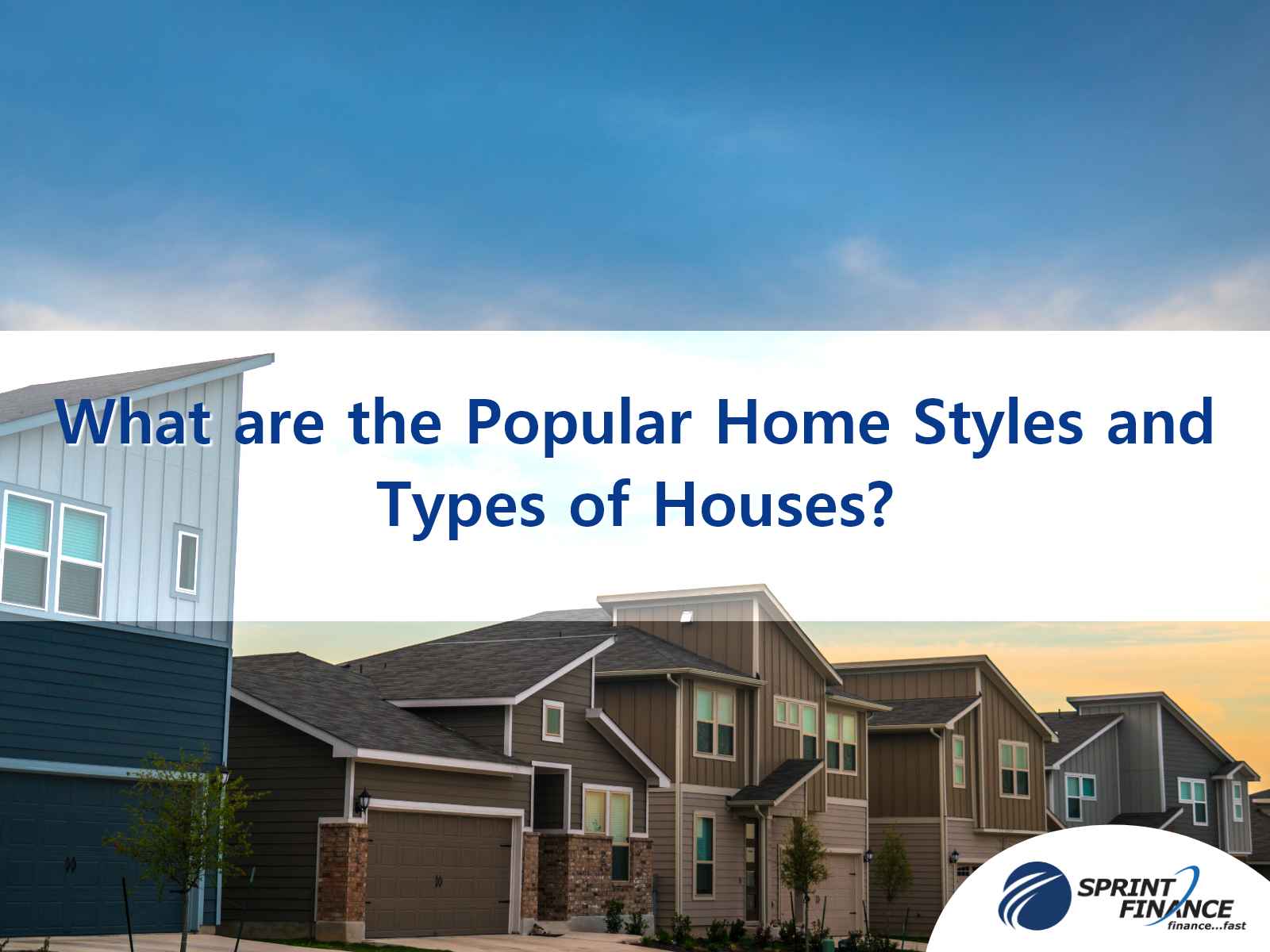
When preparing to buy or build a home to live in, you must consider the different styles and types of houses that are available. Especially because each has its own set of characteristics, as well as benefits and drawbacks. In terms of structure, a condo, for example, is one of the most common types of houses these days. It is a privately-owned unit within a building, usually located downtown. This type of housing is ideal for folks who wish to live close to their workplace or city whilst also having access to essential services. However, this style of residence may not be appealing to individuals looking for a peaceful location to stay.
In terms of architectural design, the ranch style is said to be the most common these days. It is often a one-story house with a backyard. Although it seems to be like any other residential unit, this house style may not be favored by individuals on a tight budget. Simply because it can be extremely expensive to build or even purchase. On the surface, you can see why identifying different types and styles of homes is important. What you decide eventually influences the area you want to live in, the budget you have available, and even the type of atmosphere you want to have.
This article covers everything you’ll need to know about each style and type of house to assist you in your decision-making. This includes both structural and architectural aspects, so read on.
What are the Types of Homes according to Structures?
In the past, houses appeared to be quite similar in structure. Because of the changing times, however, there are now many options available. The following are some of the most common types of homes in terms of structure.
- Apartment
- Condo
- Co-Op
- Single-Family (Detached)
- Tiny Home
- Townhome
Here’s an overview of each to help you better identify them.
1. Apartment
An apartment is a type of residential unit that is often located within a building. In most situations, it is rented out, and the landlord handles any upkeep or repairs that are needed.
An apartment is an excellent solution for people searching for short-term residential space. It relieves renters of obligation because landlords do most of the work while also benefiting financially because rent is less expensive than acquiring a mortgage.
2. Condo
A condominium, often known as a condo, is a multi-family dwelling complex where each unit is separately owned. Condos and apartments are similar in that they both house many units in a single structure. However, each condo unit is owned rather than rented. Since this is the case, the owner maintains his own space.
Condominium complexes provide facilities such as a swimming pool, a gym, a park, and even a party hall to residents. The management is usually in charge of keeping these up to date. A condo is ideal for individuals who wish to live in the city and be close to their workplace or essential services.
3. Co-Op
A co-op, often known as a housing cooperative, is a type of home that is normally held by a corporation. In this situation, homeowners are shareholders since they do not own the property outright but purchase shares of it. Co-ops can resemble condominium complex, single-family houses, or even townhomes.
Some organizations allow their employees to sell their shares on the open market, while others are more restrictive. A housing cooperative is an excellent option for individuals who wish to live in a condo but are on a limited budget because it is less expensive.
4. Single-Family (Detached)
Single-family homes are the most common type of house in a neighborhood. These are normally separated from other units and located on their own property. Single-family home has their own utilities and does not share them with other residents.
Single-family houses are often more expensive than other types of housing because they provide more room and privacy. These types of houses often have a front yard, backyard and garage. Such dwellings are primarily occupied by a single household unit.
5. Tiny Home
A small home is exactly what it sounds like: a little dwelling. Tiny houses are typically 100 to 400 square feet in size and can be constructed on wheels, on foundations, or in backyards. They have all the same amenities as traditional residences, just on a smaller scale.
Tiny houses are frequently used as permanent residences, although other individuals prefer to utilize them as holiday homes or rental properties. However, this style of home may not be suitable for everyone because small areas need adaptability and a willingness to learn how to live with less.
6. Townhome
Townhomes are often regarded as being part of a community or group of similar units. These residences are connected on one or both sides. Townhouses are frequently created as part of subdivisions, although they can also be found in more urban settings. They often have small yards on the sides or back but little to no yard space in front. The owners of each townhouse often own the structure and have an interest in the property surrounding it.
Unlike other types of dwellings, townhomes give privacy since they have their own access points. These are also less expensive than a single-family home. Residents may have access to amenities such as a pool or a park sometimes.
What are the Types of Houses according to Architectural Styles?
Aside from the structure, the architectural style of the house plays a significant role in establishing the overall look and feel of your future home. There are many different house styles to choose from. One approach to determine the style is to look at the general architectural aspect of the property. Here are the 14 most popular house styles right now:
- Split-Level
- Cottage
- Colonial
- Farmhouse
- Tudor
- French Country
- Mediterranean
- Craftsman
- Cape Cod
- Victorian
- Midcentury Modern
- Contemporary
- Greek Revival
- Ranch
Here’s a full breakdown of each house type to help you decide which is ideal for you.
1. Split-Level
The split-level home is a design that arose in the 1950s to meet the demand for a low-cost, family-sized home. The design divides the home’s major living areas into two sections: one half comprises the living area and kitchen, and the other side holds bedrooms. It is crucial to note, however, that the split is not always 50/50; it might be 70/30 or even 80/20 occasionally.
When a den or garage is accessible in the basement, it is sometimes referred to as a tri-level home. The name refers to the house’s different levels, which are linked by small flights of stairs. Besides short staircases, split-level residences generally incorporate bay windows and low-pitched roofs.
2. Cottage
Cottage-style homes are comfortable and charming, with ornamental exteriors. This style of architecture is distinguished by a chimney, steeply pitched roof, arched entryways, and multi-paned windows. To make the door stand out, it is frequently painted. Cottage houses have a country or farmhouse atmosphere to them. Most of these houses are shingled and feature porches on at least half of the front.
3. Colonial
A colonial house is one of the most classic types of architecture. A colonial-style residence is typically rectangular in design, two or three stories tall, and has a gable roof. The entrance door is in the center of the house, with windows on either side. The first-floor windows are usually bigger than the rest, and they may have shutters. To differentiate the front of the house, stately columns might also be incorporated.
4. Farmhouse
The farmhouse style is a well-known home design that has been around for many years. The term “farmhouse” refers to a residence with a rural atmosphere and comfortable, appealing elements. The emphasis of this house style is on simplicity and functionality.
Traditional farmhouse-style homes often have gabled roofs, dormers, shuttered windows, and wrap-around porches or verandas. They also combine natural materials such as wood and stone, as well as modern components such as steel and glass.
5. Tudor
A Tudor home contains characteristics of English medieval architecture. It has various features that set it apart from other residences. Tudor homes include steeply pitched roofs with intersecting gables, many windows with leaded glass, tall narrow doorways that enter into a living room, and distinctive chimneys. This style of home is often built of brick or stucco, while others also include ornamental half-timbering – black-painted wood beams that stand out against lighter-colored walls.
6. French Country
A French country home is a distinct style of European architecture distinguished by elegant brick, stone, and stucco exteriors. It also has lovely multi-paned windows and notable hip or mansard roofs. French country houses have a unique ambiance that sets them apart from other housing styles. They have old-world charm without being stuffy, as some classic homes may be. Instead, they’re warm and appealing in a subtle sense.
7. Mediterranean
The term Mediterranean architecture is a catch-all phrase for structures inspired by the design traditions of areas surrounding the Mediterranean Sea. It is most strongly connected with Spain, Italy, and Greece, and it is distinguished by stucco exterior walls, tile roofs, and arched entrances.
Asymmetrical forms and one or more stories are common characteristics of Mediterranean dwellings. They have open floor designs, volume ceilings, and plenty of windows and doors to let in the breeze. A Mediterranean home typically has wrought-iron railings, ornamental columns that go around walls, roof decks and patios. Some have an outdoor cooking area for dining al fresco.
8. Craftsman
Craftsman houses, often referred to as Arts and Crafts houses, were popular in the late 19th and early 20th centuries. It represents a down-to-earth, refined lifestyle by emphasizing simple forms and resources such as wood and stone. They’re also well-suited to a wide range of environments and temperatures.
Some of the architectural features of this style include low-pitched roofs with wide eaves supported by exposed rafters or ornate brackets, rows of double-hung windows, and a fireplace. In most cases, this is distinct from other home types since it also includes handcrafted wood components, such as built-in shelving or dining room hutches.
9. Cape Cod
Cape Cod houses, also known as double capes, have grown in popularity because of their ability to survive adverse weather conditions. They are distinguished by gabled roofs, tiny porches, and symmetrical facades with shutters. They are frequently built of wood siding or clapboard, which makes them easy to maintain and quite efficient in terms of heat retention. Cape Cod-style homes were created for functionality more than aesthetics.
The earliest cape cod dwellings were relatively tiny, with just one or two rooms. One of these rooms was frequently used as a kitchen, dining room, and living room. Many of the original residences have been remodeled throughout time to offer more space, but a handful remains the same.
10. Victorian
Victorian houses are characterized by their frequently asymmetrical design, steeply pitched rooflines, elaborate trim, and ornamental embellishments. In architecture, the Victorian style refers to the period in the nineteenth century when Queen Victoria ruled Great Britain. During her reign, houses were frequently created with architectural elements that represented the industrial and social transformations that were taking place at the time. Victorian-style homes come in a variety of designs, including Queen Anne, Gothic revival, and folk style.
11. Midcentury Modern
Mid-century modern design is characterized by clean lines, natural shapes and minimal adornments. It frequently has flat roofs, wide windows, and a connected garage set off to one side. A few architectural characteristics, such as exposed beams or ornate brickwork, may be included, although they are limited compared to other types. The simplicity of Mid-century modern design is its defining feature. Furniture and accessories in a Mid-century modern house are practical and typically without frills or ornaments.
12. Contemporary
A contemporary-style home has simple, clean lines and wide windows with no ornate accent. The style is neither flashy nor excessive, yet there is a unique quality to its architectural design that makes it somewhat appealing. Most of the time, these are built with an open floor plan, which maximizes usable square footage in common spaces, and they also make use of enormous sheets of glass, steel, and concrete.
13. Greek Revival
The Greek Revival architectural style is a recreation of ancient Greek temples. It contains a lot of columns, typically with wings or scrolls on either side of the column. It also has pediments over the doors and windows. The Greek revival-style houses are usually painted white, although they may be whatever color you like.
14. Ranch
A ranch-style house is primarily a one-story home with the option of a raised ranch or split-level style. This architectural style started in the 1920s, but it underwent a major surge in popularity following World War II. It is still one of the most popular house designs today. While they were originally built with basic, functional architecture and little ornamentation, many modern ranch houses now have all of today’s amenities and contemporary updates.
Which House Types are the Most Common?
A single-family home or detached houses are the most common type of dwelling in Australia. According to the most recent housing data, almost 7 million Australian households live in detached houses. This is roughly three times the amount of people living in medium and high-density buildings combined. Besides detached homes, apartments were also common in the area.
Which Type of House is Best for Investment?
A detached single-family house is ideal for investment. It readily attracts prospective buyers who want to live in a community while maintaining their privacy. Also, single-family houses have the most market appeal.
You may rent it out and have a consistent monthly cash flow from the rental income, or as its value rises over time, you can sell it as a whole for a profit. Condominiums and apartments are excellent investment opportunities as well. People nowadays prefer to stay in a place for a short period and opt for rental properties. Leasing such dwelling types is profitable.
Ultimately, different properties provide varied opportunities, so there is no one-size-fits-all solution. While investing may be an excellent method to make your money work harder for you, selecting the correct property investment is crucial. Before entering into any arrangement, conduct your research and assess the advantages and downsides.
The ideal investment should fit your demands and eventually assist you in reaching your financial objectives.